

Wait, that’s AI?
Why is DLSS 5 getting roasted, and what does it signal about AI in video games…
Same engine, same face.
This week we asked Luke Whitehouse, Head of Audience at Be A Bear, to explain why the internet’s suddenly been flooded with AI gaming memes, and what DLSS 5 really means…
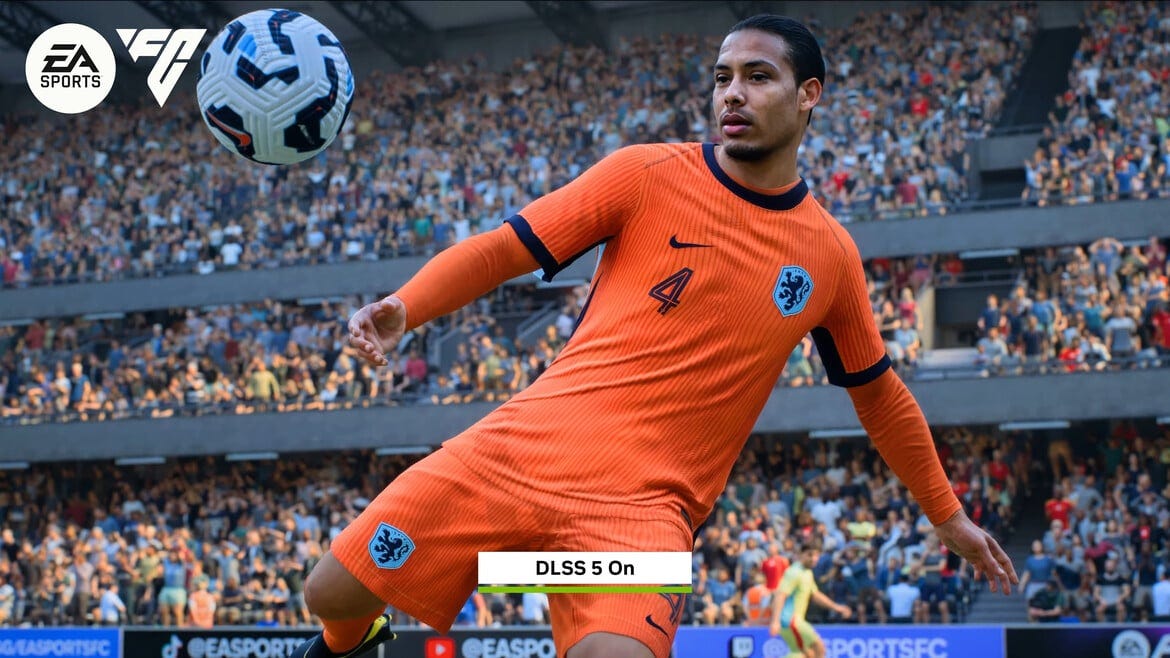
Nvidia dropped DLSS 5 last week. AI-driven lighting, real-time enhancement, less manual work for developers. On paper, that all sits neatly in the usual “next step for graphics” bucket. Somewhere between the announcement and the actual demos, though, the mood shifted. The conversation very quickly stopped being about performance and started being about faces.
Watch a few clips back-to-back and the pattern is hard to miss. Characters across very different games begin landing in the same visual territory: brighter skin, smoother faces, more sculpted features, fuller lips, a kind of over-lit gloss. It’s the sort of thing that jumps out at you, and once you’ve clocked it, it becomes the only thing you can really see. Leon Kennedy (Resident Evil) still looks like Leon Kennedy, just polished up. Grace Ashcroft (Resident Evil) however, looks like a model has quietly recast her. That’s the bit people are reacting to. One character gets enhanced; another gets beautified according to a template that feels imported from somewhere else.
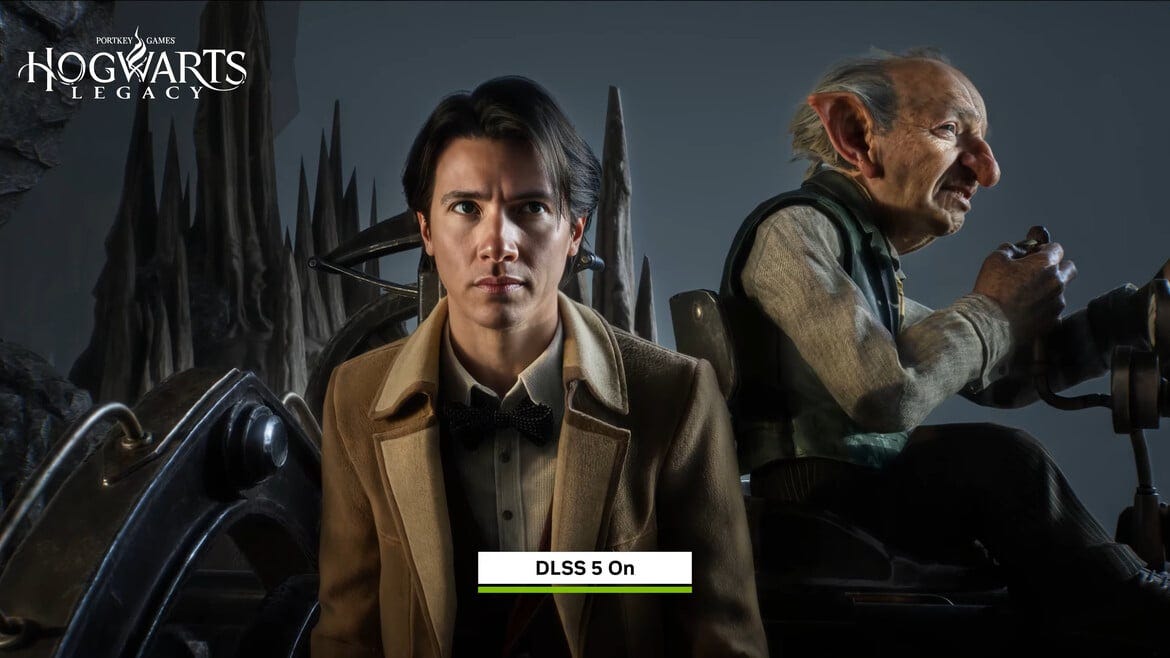
And that “somewhere else” is pretty obvious. The look DLSS 5 keeps drifting toward feels internet-native: part Instagram face, part engagement-bait edit, part the kind of horny fan-casting that always seems to end with a female character looking less like herself and more like a generic idea of “hot”. That’s what makes it uncomfortable. It isn’t just smoothing textures or improving lighting. It’s reaching for a very particular version of attractiveness, and female characters seem to be carrying the brunt of that. You can practically see the training data in the result.
That’s also why the whole thing feels more revealing than Nvidia probably intended. The underlying tech may well be excellent. Real-time AI lighting at this level is a genuine step forward, and there are plenty of use cases where it could be brilliant. But the first big public showcase makes the application look tacky and weirdly telling. It suggests that, when left to make aesthetic decisions, the model gravitates toward the same flattened standard the rest of the internet has been optimising for. In a medium where art direction does so much of the heavy lifting, that lands badly.
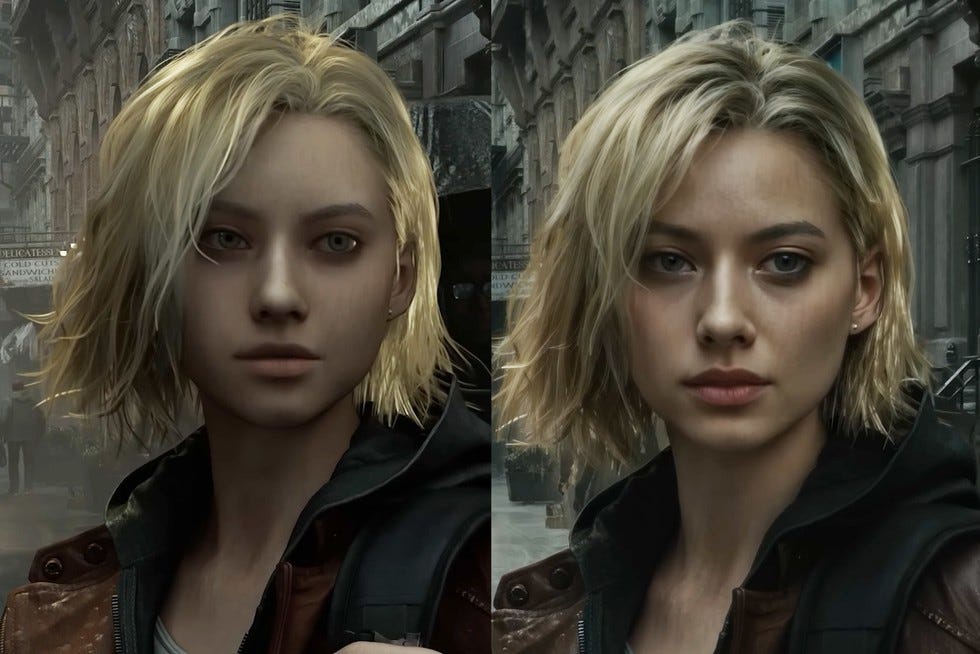
Games need identity. They need characters who look like they belong to their own worlds, not like they’ve all been sent through the same engagement filter, or forced into reality. That’s why the backlash has been so strong. Players will put up with all sorts of technical compromises in the name of better graphics. What they’re much less interested in is a rendering tool that quietly starts rewriting character design.
DLSS 5 has real technical promise. What it’s exposed, though, is a visual taste that flattens creative identity. Nvidia now has a fairly simple job: show that this can be a tool in service of art direction, rather than a layer of algorithmic taste pasted over the top of it.
On the watchlist:
Stats, facts, and content that’s worth watching
⚽ YouTube and FIFA: ahead of the World Cup they’ve announced a monumental partnership, accessing lots of past games too.
✏️ Let’s Get Animated: Cartoon Saloon is an Irish animation studio brought to our attention by Araminta in the team.
The Grizzly Guide is brought to you by Be A Bear, part of the Spin Group. We’re an agency that grow, engage and monetise audiences.
This edition’s written by Luke Whitehouse.
Follow Max on LinkedIn for more industry insights.
 | A guest post by
|
chefs kiss